Common issues we see with outsourced cleaning
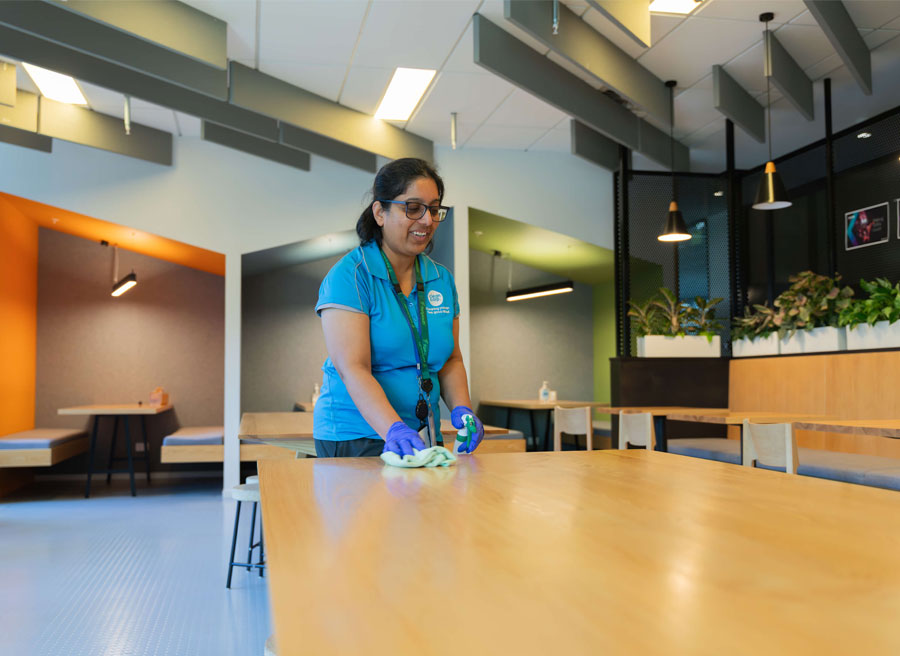
Outsourced cleaning is meant to be one of the simple parts of running a site. For a lot of managers, it ends up being another thing they have to keep an eye on. After taking over contracts across offices, schools, gyms, medical centres and warehouses, the same problems come up again and again.
1. Standards drop after the first month
Most contracts start well, then the detail fades. Dust builds up on ledges, fingerprints stay on glass, and bathrooms never quite feel fresh. People get used to it until someone finally complains.
What usually sits behind this:
- No regular checks, just a long contract and a checklist.
- Tasks like high dusting or deep cleaning are not actually scheduled.
- No clear owner on the cleaning company side.
What helps: simple, regular inspections, a scope that spells out weekly vs termly jobs, and a named contact who is easy to reach when something is not right.
2. Different cleaners all the time
If you see a new face every time the cleaning team comes through, standards jump around. Staff stop giving feedback, because they doubt it will reach the person who needs to hear it.
Why it happens:
- Teams shuffled between sites to cover gaps.
- High turnover because cleaners are not supported.
- No proper handover when someone new starts on your site.
Better practice is to have consistent cleaners, a clear backup for leave, and a basic induction so anyone new understands your layout, security and priorities before they start.
3. Vague scopes and constant “I thought you did that”
When a scope just says “clean office” or “clean bathrooms”, everyone fills in the blanks differently. That is how blinds, skirtings, fridges and staff areas fall between the cracks.
Typical signs:
- Certain areas never seem to be touched.
- Cleaners and staff keep bouncing jobs back and forth.
- The only “scope” is an old quote that no one looks at.
A decent scope does not have to be complicated. It should list areas, tasks and frequency in plain language, and be updated when your space or headcount changes.
4. Hard to get issues fixed
In a lot of workplaces, people just put up with small cleaning problems for months. When they are finally raised, they either disappear into a black hole or are fixed once and forgotten.
Common gaps:
- No clear way to log issues; everything goes through whoever happens to answer the phone.
- Messages passed through too many people.
- No expectation around response times.
What works better is one channel for feedback, clear timeframes for replies, and a simple way to confirm that something has been sorted.
5. Not enough time on site
If a site has been underquoted, the pressure lands on the cleaners. They have to cover too much ground in too little time, so corners are cut. The main areas get a quick once‑over and the detail work just does not happen.
Red flags:
- Large areas “done” in very short time slots.
- Staff noticing cleaners always rushing, or leaving early.
- Lots of “we will get that next time”.
This is usually fixed at the quoting stage: matching hours and tasks to the size and use of the site, being honest about what can be done within your budget, and reviewing that as things change.
6. High‑risk areas treated like normal office space
Bathrooms, kitchens, gyms, medical rooms and early learning spaces need a different approach from desks and meeting rooms. When they are treated the same, you get smells, staining and hygiene concerns.
What we often see:
- One product used everywhere.
- No extra time allowed for showers, change rooms or clinic areas.
- No documentation for boards, audits or regulators.
A better setup has different products and methods for different areas, extra attention built in for higher‑risk spaces, and basic records you can show your board, landlord or auditor.
7. No one owning mistakes
Things will go wrong from time to time. The real issue is how they are handled. If the default setting is to explain, minimise, or push it back on the client, trust erodes.
What good looks like:
- A simple “we missed that, here is what we have changed”.
- Tracking repeated issues and adjusting the system, not just telling the cleaner to try harder.
- Inviting feedback in normal conversations, not only when someone is unhappy.
At Cleancorp, most of the work happens long before a mop or vacuum comes out: getting the scope right, putting stable teams on site, and making it easy to raise and resolve small issues. If you are seeing a few of these patterns with your current provider, sometimes a clearer scope and better communication will lift the standard. If it does not, it may be time to look at whether the way the contract is set up is giving your cleaners a fair shot at doing a good job.
Providing superior cleaning services since 1998
Proud to serve the best New Zealand companies
See us in action. Read our case studies.
New Zealand owned. Embedded in our communities.


Trusted By: