Patients judge your practice on three surfaces, are you cleaning them properly?
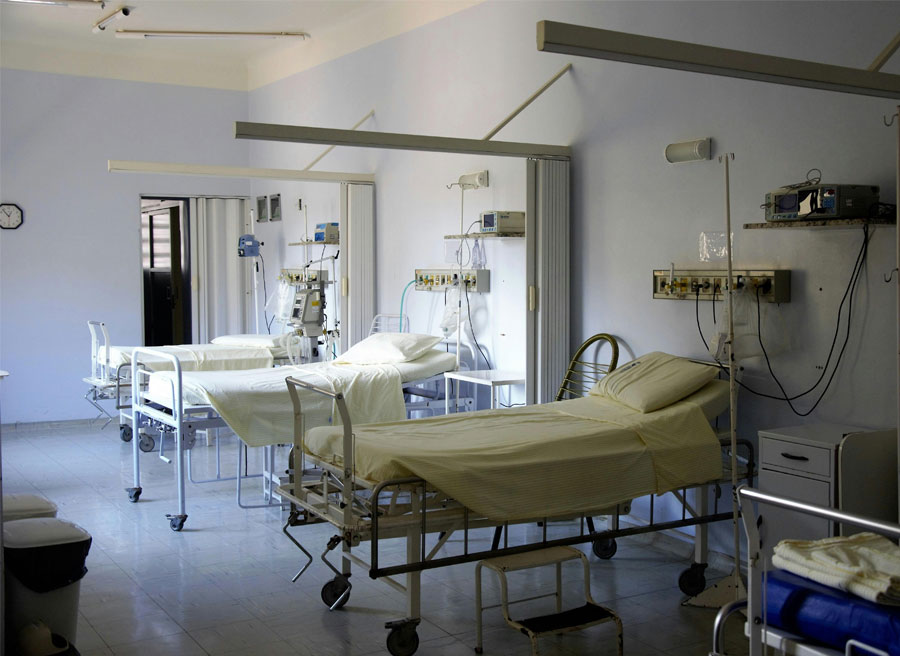
Patients judge your practice long before they see a clinician. Most of that judgment comes from three surfaces in the waiting room: the reception counter, the chairs and armrests, and the bathroom they use while they wait. If those feel grubby or forgotten, patients quietly start to doubt everything else.
Reception counters are the first trust test
Your reception counter is the first surface every patient leans on, signs forms on and rests their bag or hands on. If it is sticky, dusty, covered in ring marks or scattered paperwork, it sends a message that detail is not a priority.
Good practice here is simple:
- Clear, wiped counters several times a day, not just after hours.
- No build up of fingerprints, spill marks or old signage at eye level.
- Payment terminals, pens and clipboards included in the clean, not left as the grubby bits on an otherwise shiny counter.
When reception looks clean and calm, patients are more likely to believe the clinical areas are looked after as well.
Chairs and armrests are the forgotten high touch points
In a medical waiting room, almost everyone touches the chairs, armrests and edges as they sit down or stand up. These surfaces collect skin oils, coughs, sneezes and anything that has been on people’s hands that day, but they are often missed because they do not look obviously dirty.
Cleaning them properly means:
- Wiping down armrests, chair backs and edges with a suitable disinfectant on a regular schedule during the day, not just at night.
- Paying extra attention during flu season or when there are a lot of unwell patients in the waiting area.
- Choosing materials and products that can be cleaned often without damaging fabrics or finishes.
Patients might not see the germs, but they do notice cracked vinyl, stains and grime on armrests. It is hard to relax in a space that feels like it has not been touched since last winter.
Bathrooms are where people decide if you are careful
Patients assume that if the bathroom is not clean, other hygiene standards might be slipping too. A toilet with marks in the bowl, an empty soap dispenser or a wet, smelly floor is enough to undo a lot of effort elsewhere.
A bathroom that builds trust will have:
- Clean toilets, sinks and taps, checked and wiped multiple times a day.
- Soap, paper towels and toilet paper always stocked.
- Floors that are dry and free of litter, not permanently damp or sticky.
This is not just about perception. Bathrooms and wash areas matter for infection control too. People need soap and a clean sink to wash their hands properly before and after appointments.
How a better cleaning system supports your practice
Getting these three surface areas right consistently does two things. It makes your practice feel calmer and more professional for patients, and it supports basic infection control by keeping the worst high touch spots under control.
A good cleaning system for a clinic or practice will:
- Have clear, written tasks for reception counters, chairs and armrests and bathrooms, including how often they are done during the day.
- Use appropriate disinfectants and methods, so surfaces are genuinely sanitised, not just wiped quickly with whatever is on hand.
- Include simple ways for staff to flag issues so spills, smells or shortages are fixed quickly instead of becoming repeated complaints.
At Clean Corp, healthcare cleaning plans are built around how patients actually move through your practice. Reception counters, waiting room seating and bathrooms are given specific attention and frequency, alongside consulting rooms and clinical areas. The aim is that when someone walks in, the space quietly says: this practice notices the details, and you are safe to be here.
Providing superior cleaning services since 1998
Proud to serve the best New Zealand companies
See us in action. Read our case studies.
New Zealand owned. Embedded in our communities.


Trusted By: