What “child‑safe cleaning” really means in NZ centres (and what it doesn’t)
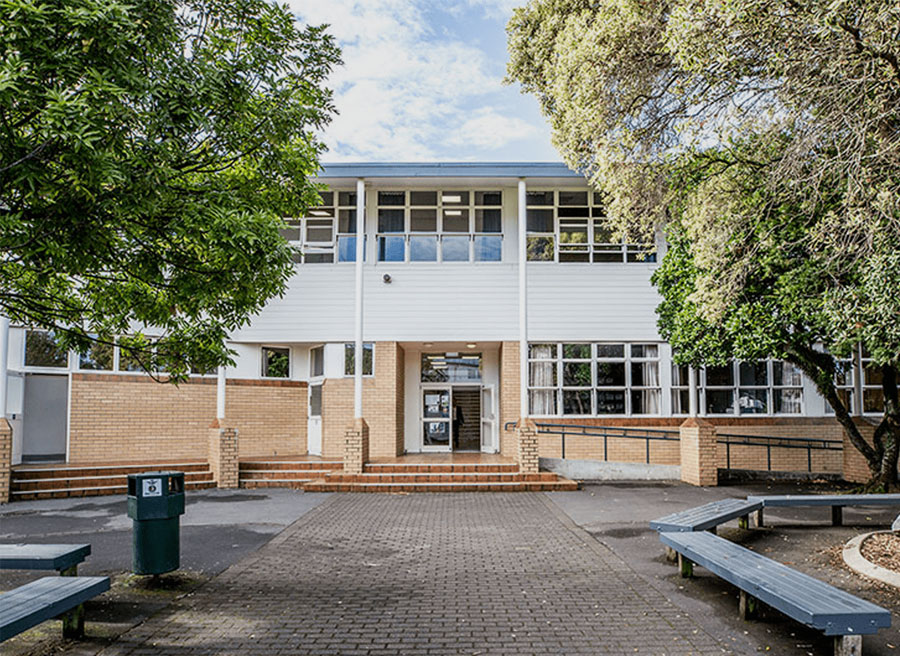
At Clean Corp, child‑safe isn’t a cute label on a spray bottle, it’s how cleaning plans are built for early learning services across Aotearoa so kids aren’t breathing in, crawling through, or chewing on the consequences of lazy chemistry. When centres (and their cleaners) get this wrong, you end up with residues on toys, strong fumes in tiny sleep rooms, and parents who have no idea what’s actually being used around their children.
What “child‑safe” should mean in a NZ centre
In a New Zealand early learning context, child‑safe cleaning should line up with Ministry of Education hygiene criteria, Te Whatu Ora cleaning/sanitising guidance, and WorkSafe hazardous substances rules and not just be a marketing slogan. It has to be designed for under‑5s who crawl, mouth toys, and have developing lungs and immune systems, not for healthy adults walking through once a day.
When we design a cleaning plan for a daycare or school, child‑safe means:
- Products and dilution rates that are safe for daily use around infants and toddlers, not just “safe if used perfectly”.
- Clear, room‑by‑room instructions so cleaners know exactly what to use where, how strong, and how often.
- Documentation to prove it – site‑specific schedules in your Clean Corp plan, plus Safety Data Sheets (SDS) on file for every hazardous product.
If a provider can’t show you those basics in writing, you’re not looking at a genuinely child‑safe system, just clever wording.
Beyond “gentle” and “natural” products
NZ public health guidance for ECE still centres bleach (hypochlorite) as the gold‑standard disinfectant in high‑risk areas, while detergents and milder sanitisers handle everyday soil and low‑risk surfaces. The trick is using the right thing, in the right strength, in the right place, not dousing the whole centre in whatever “99.9%” spray was on special this month.
In practice, a child‑safe product strategy looks like this:
- Everyday cleaning: plain detergent and hot water for general dirt, especially on floors and tables, so you’re not layering unnecessary chemicals where kids spend their day.
- Targeted disinfection: sanitisers and disinfectants that are explicitly cleared for childcare/health use on high‑risk areas like nappy change mats, toilets, and outbreak clean‑ups with proven efficacy against common bugs.
- Proper hazard management: current SDS on site for every hazardous product, staff briefed on PPE and first aid, and concentrates stored locked and out of children’s reach.
How Clean Corp handles this:
- Our education teams work from a centre‑specific product list, so your nappies area, sleep rooms, and eating spaces don’t all get treated the same “one size fits all” chemical.
- The products and dilutions used at your site are documented in your schedule and available if parents or the Board want to see exactly what’s in use.
Common bits of marketing bs to push back on:
- “Non‑toxic” with no SDS, no disclosed active ingredient, and no actual disinfectant claim.
- “Food‑safe” sprays being used for nappy areas or vomit clean‑ups where a hospital‑grade sanitiser is required by health guidance.
Contact times: spray, wait, then wipe
Most “kills 99.9% of germs” claims only hold if the surface stays visibly wet for the full contact time on the label – often several minutes. Bleach‑based solutions used for disinfection in ECE, especially for bodily fluids or outbreak cleaning, are typically expected to sit on a pre‑cleaned surface for up to 30 minutes to properly knock out viruses and hardy bugs.
For a child‑safe routine, that means:
- Two‑step cleaning: Clean with detergent first to remove dirt and organic matter, then apply sanitiser/disinfectant as a separate step.
- Respecting the contact time: if a cleaner sprays and wipes off immediately so kids can use the table straight away, it’s really just a cosmetic clean, not true disinfection.
- Stronger approach for outbreaks: higher‑strength bleach (for example 0.1% hypochlorite) and longer contact times when there’s vomiting/diarrhoea or a notified outbreak.
How Clean Corp builds this in:
- We train our teams on two‑step cleaning and label‑specific contact times, and we scope jobs so there’s actually time to do that properly instead of cutting corners to finish the checklist.
- For daycares and junior schools, we’ll often schedule heavy disinfection (long contact times, higher‑strength solutions) after children have gone home, so surfaces can fully dry before the next session.
If a cleaner can’t tell you the contact time on the products they use in your centre, or there’s no obvious window in the routine to let surfaces stay wet, the “child‑safe” claim doesn’t stack up.
Ventilation and indoor air, not just shiny surfaces
Child‑safe cleaning treats indoor air with the same respect as surfaces, especially for small bodies close to the floor and spending hours in the same rooms. ECE guidance and licensing criteria expect spaces to have adequate natural or mechanical ventilation, and health guidelines talk explicitly about opening windows and doors during and after more intensive cleaning.
In a genuinely child‑safe set‑up, you should see:
- Windows opened or mechanical ventilation running during and after higher‑fume tasks, particularly in bathrooms, nappy rooms and sleep rooms.
- The heaviest chemical use (deep cleans, strong bleach, solvent‑based products) scheduled outside child attendance hours wherever possible.
- Floors, tables and toys left to air dry after sanitising so children aren’t crawling through or chewing wet residue.
What this looks like with Clean Corp:
- For daycares and schools, we bias strong‑product and long‑contact‑time tasks into after‑hours or low‑occupancy windows your leadership team is comfortable with.
- If you’ve got sleep rooms or kids with respiratory issues, we’ll design the schedule so anything high‑fume is done well away from those spaces, and we’ll flag that in your plan so staff know why it matters.
If you’re seeing strong smells during the day, or kids heading into just‑cleaned rooms with windows shut, that’s a practical sign the cleaning routine, not the label, is what’s putting children at risk.
Talking honestly with parents (and your Board)
Licensing and health guidance expect centres to have clear hygiene policies, cleaning schedules, and outbreak procedures and to use them to set expectations with families. Parents don’t need a chemistry degree, but they are entitled to know what’s being used around their children, how often, and what happens when there’s a bug going around.
From our side, we support that by:
- Providing centre‑specific schedules that outline routine cleaning (daily, weekly tasks), high‑risk areas, and what changes in an outbreak.
- Making product information and SDS available so you can confidently answer questions about what’s in use and why.
- Giving you a clear contact point, your Operations Manager, so any concerns from parents or Boards about products, timing, or fumes get a same‑business‑day response.
A few simple ways to turn this into transparent communication:
- Add a short hygiene/cleaning section in your enrolment pack that explains your partnership with Clean Corp, the focus on child‑safe products and ventilation, and when stronger chemicals are used (for example outbreak response).
- When there’s an outbreak clean, send a calm, factual note: “We’ve followed Te Whatu Ora ECE cleaning guidance, including bleach disinfection of high‑touch areas completed after hours with windows open.”
If your current provider can’t give you enough detail to communicate this clearly, that’s not just a marketing problem, it’s a governance and safety one.
A quick sense‑check for your centre
If you want to know whether “child‑safe cleaning” at your centre stacks up to more than a line in a proposal, ask your cleaner (or provider):
- What products are used in our nappies area, sleep rooms, and eating areas and can we see the SDS?
- What contact time do those disinfectants need, and when in the day is that built in?
- When do you schedule heavy disinfection or strong products and how do you ventilate afterwards?
- Can you show us our written schedule and outbreak plan for cleaning?
If the answers are vague, or everything seems to rely on one “magic” all‑purpose spray, it’s worth digging deeper.
Clean Corp works with early learning services, primary schools and kura across the motu to design cleaning that actually fits how children live in those spaces…crawling, sharing toys, napping, and touching everything. If you’d like a straight‑up review of your current cleaning (no hard sell), we’re happy to walk through your schedule, products and timing with you and suggest practical tweaks that bring “child‑safe” back down to earth.
Providing superior cleaning services since 1998
Proud to serve the best New Zealand companies
See us in action. Read our case studies.
New Zealand owned. Embedded in our communities.


Trusted By: